3. Robotics
Among the newest therapeutic tools used for stroke victims, those most commercially available are robotics and robotic exoskeletons, which attach directly to the affected part of the body to facilitate or enable movement. Therapeutic robotic devices include leg and arm supports that actually lift and support the limbs while reorganizing the pathways between the muscles, nerves, and healthy brain tissue. Robotic arm and leg devices contain sensors that track the limbs’ movements and monitor changes in force and terrain.
Robotic exoskeletons are especially useful because they are adjustable. As
patients need less support, their therapists may adjust the robotic devices to
let the patients’ muscles gradually resume more control. Because these
exoskeletons can move the patients’ affected limbs until they regain movement,
caregivers spend less time doing this themselves. When caregivers are free to
observe patients’ movements – instead of manually moving their limbs – they can
pay closer attention to the quality of each movement.[Saebo]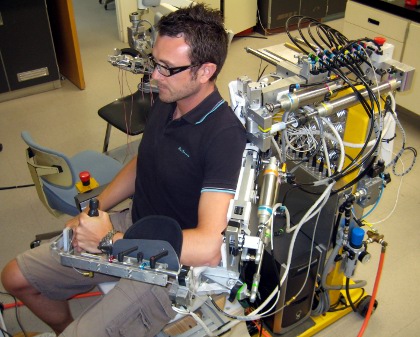
Last modified: Monday, 14 January 2019, 11:57 AM