2.1. Benefits of virtual reality
 In
addition to making rehabilitation more enjoyable for the patients, virtual
reality also has the potential to improve rehabilitation outcomes compared to
traditional exercise-based therapies. By using an avatar in a virtual reality
environment, healthcare professionals can directly stimulate not only the body
of the patient, but their brain.
Patients that have no mobility on one side of the body can enter a virtual reality environment and participate in games that require them to move only their working arm. At the same time, their avatar can move the opposite arm, activating the areas that correspond to the damaged part of their cortex.
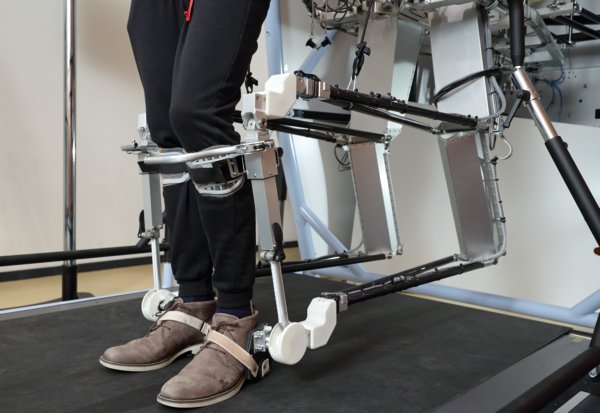
There is also potential to pair this type of virtual reality technology with robotics technologies that could physically move a paralyzed limb during this exercise.
Utilizing virtual reality for stroke rehabilitation also has benefits for the clinicians that work with these patients. Intensive, repetitive movements continued over a long duration have proven to be the best way for a patient to recover from a stroke. However, this type of treatment requires significant supervision and effort from medical personnel.
A virtual reality machine can guide the patient in these repetitive exercises, allowing them to train more often and with increased intensity, while requiring a lower level of supervision and assistance. In addition, the machine monitors each patient’s progress, allowing healthcare providers to track and update their treatment regimen more specifically.[RDmag]